You're reading News Cuts
Our newswire of community notes and media headlines from around the web.
Your information is always private.
Sixth annual caminata commemorates victims of 1915 Texas massacres
On Sunday, local community members made the yearly 3.5-mile walk from Heavin Park to the "Matanza of 1915" historical marker in Cameron County near San Benito, Texas for the sixth annual Día de los Muertos Caminata.
They laid ofrendas at the marker to honor and remember the hundreds of Mexican Americans who were murdered by Texas Rangers, local law enforcement, and vigilantes in the Rio Grande Valley for being accused — largely without evidence — of supporting a rebellion in 1915.
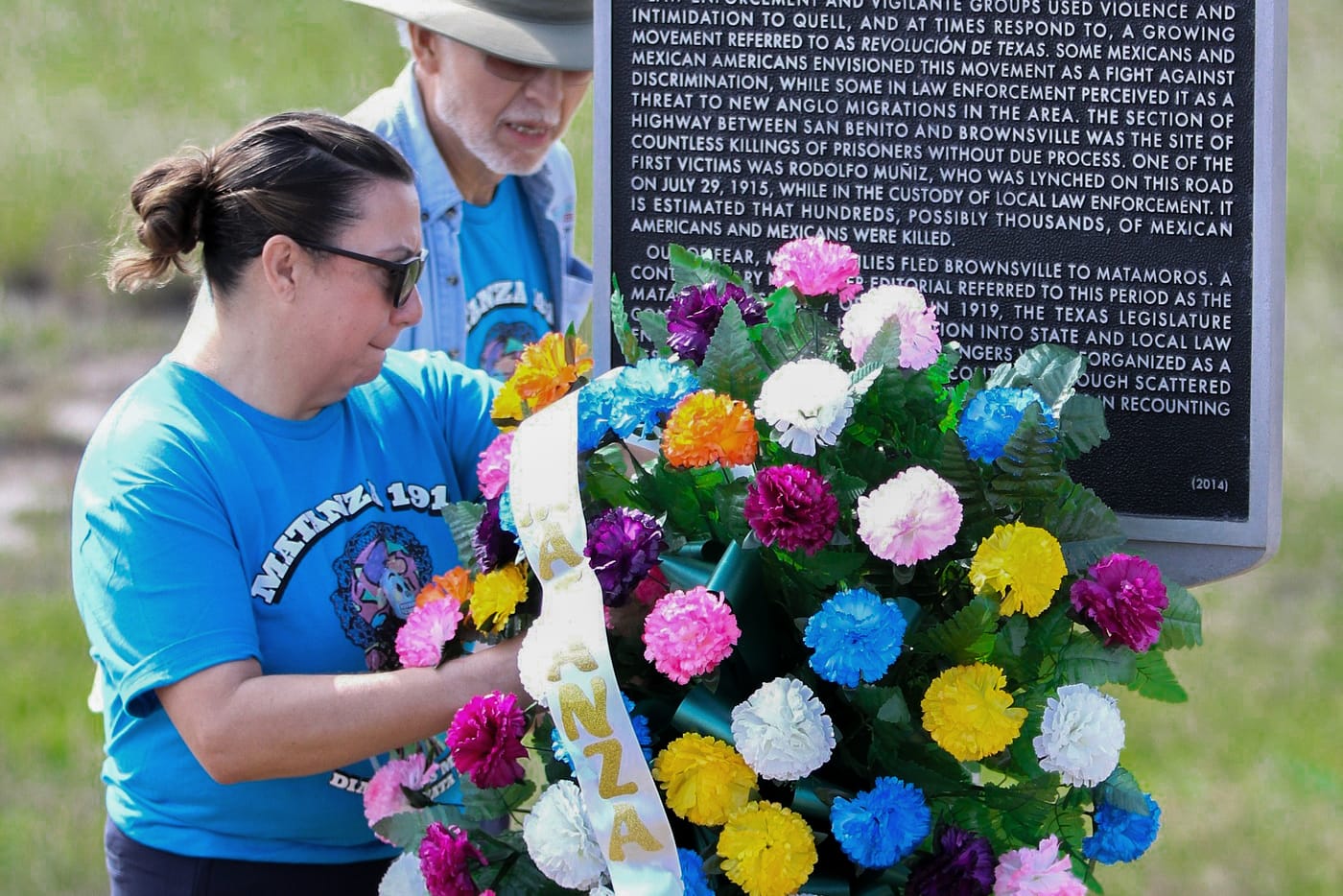
Trinidad Gonzales, who co-founded the history project Refusing to Forget, said that between July and November 1915, between 200 to 300 individuals were killed in what came to be known as la matanza across Hidalgo, Cameron, Willacy and Kenedy counties. Gonzales says the murders happened "in response to the last colonial rebellion by ethnic Mexicans against U.S. sovereignty," known as the Plan de San Diego but called the revolución de Texas by the community.
Ricardo Madrigal, who organizes the event with his wife, Janie Alegria, said this year’s gathering was also held to protest the detention and deportation of individuals without due process by federal immigration agents.
State Rep. Erin Gámez addressed participants about unifying efforts to protect personal rights and civil liberties. Austin attorney Alberto Garcia also spoke about the dark period of history known as La Matanza.
The Día de los Muertos Caminata is held every year on November 2. For more information, visit https://www.sanbenitomatanzacaminata.com/.
You might also like
 Pablo De La Rosa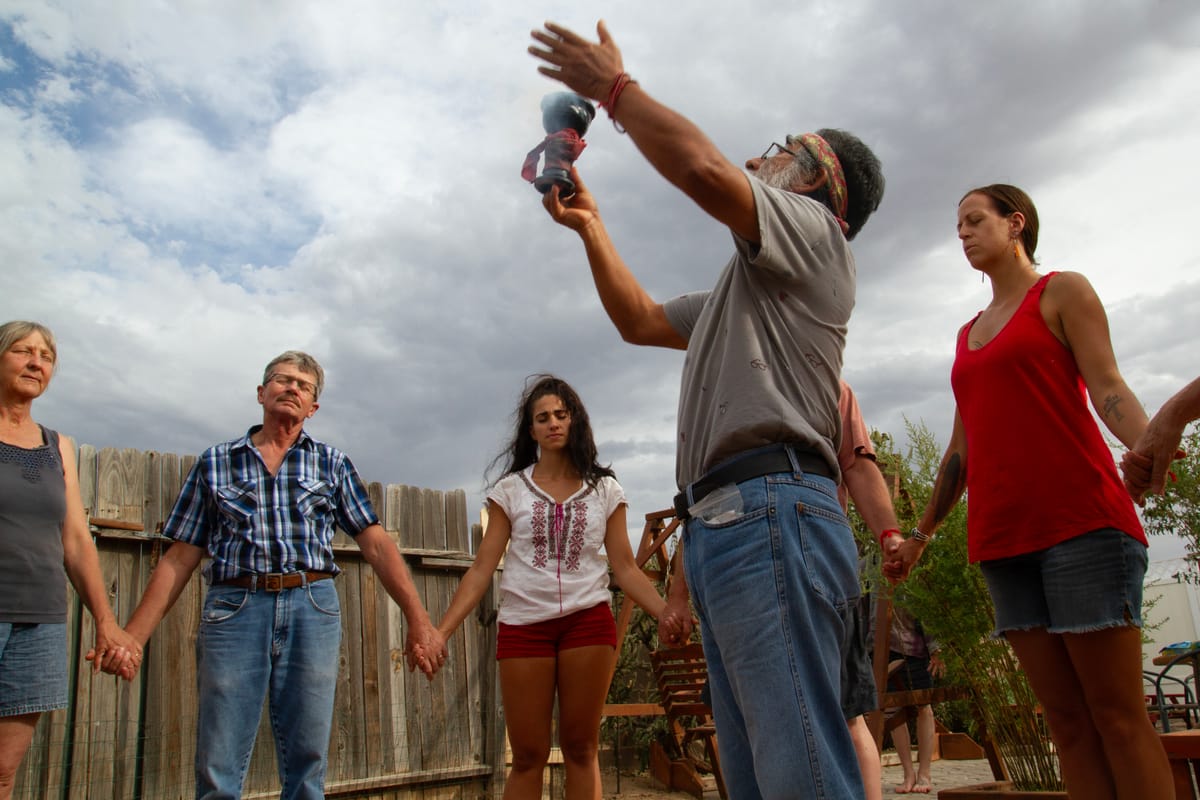
The Trump administration will make partial SNAP payments, but will not tap non-emergency funds
A Q&A on the latest SNAP developments.

The Trump administration said on Monday that the USDA will comply with a court order to spend all $5.25 billion in SNAP emergency funds to provide food assistance in November to people who are enrolled in the program.
As of today, what SNAP benefits will be made available?
The emergency funds available will only cover partial payments for November, about half the normal amount. However, payouts from emergency funding are expected to hit delays of weeks or months. Some households that should have received SNAP benefits in the first days of November have not received them, according to a report by The Texas Tribune.
What happens when the emergency funds run out?
The administration said in a court filing on Monday that it has no plans to tap other sources of funding to cover full monthly benefits. If the government shutdown continues, unpaid SNAP benefits could spark another court fight next month. The court is expected to respond to the administration's Monday filing.
Who will be affected in the Rio Grande Valley?
Any lapse in SNAP assistance would hit the Rio Grande Valley especially hard, with child food insecurity rates topping 31% in counties like Starr, according to data from Feeding America, a nationwide network of food banks. In September, more than 140,000 households across the region’s four counties were enrolled in the program, Texas Health and Human Services confirmed in October.
About 330,000 people make up the households approved for SNAP in the region. Of those approved for SNAP in the Rio Grande Valley, more than 46,000 are children under the age of five and more than 124,000 are children between the ages of five and seventeen, according to Texas HHS.
While 40% of those who receive SNAP are children, another 20% are older adults, and 10% are people with disabilities, according to statistics from the Food Research and Action Center, a D.C.-based nonpartisan advocacy group dedicated to eliminating hunger.
Does the Trump administration have to pay for SNAP?
The federal court ruling on Friday pointed out that Congress created the SNAP program as an entitlement. Unlike programs that rely on appropriations, entitlement programs like SNAP, Social Security, or Medicare are designed so that Congress must ensure funding, even during disruptions like a government shutdown.
A coalition of plaintiffs in the lawsuit against Trump said the administration’s decision to withhold or delay SNAP benefits is "arbitrary and capricious because its premise that no funds are available is incorrect; in fact, funds are available both from the [fiscal year] 2024 and [fiscal year] 2025 contingency appropriations and in the funds available under 7 U.S.C. § 2257,” a federal law.
Where can I give or get help?
Stay tuned to the Food Bank RGV's social media pages for the latest distribution events and volunteer opportunities.
You might also like
 Pablo De La Rosa
Election day for Texas constitutional amendment vote set for Tuesday, Nov. 4

Tuesday, Nov. 4, 2025 is Election Day for Texas’ statewide constitutional amendments, when voters will decide on 17 proposed changes to the state constitution.
Here are some of the propositions on the ballot.
Proposition 1 creates a permanent fund to modernize and expand Texas State Technical College campuses and equipment, aiming to boost workforce training in high-demand trades and technical fields.
Proposition 4 allocates up to $1 billion annually from sales tax revenue to a new Texas Water Fund to pay for projects like fixing aging pipes, expanding water sources, and mitigating drought and flooding.
Proposition 14 establishes the Dementia Prevention and Research Institute of Texas with $3 billion in funding to support studies and treatment development for Alzheimer’s, Parkinson’s, and related brain diseases.
Voting guide and polling locations
If you haven't already, check out a full guide to the 17 propositions from The Texas Tribune. MyRGV has a guide out today on local elections on the ballot.
Here are links to the list of polling locations for Cameron County (pdf), Hidalgo County (interactive map), Starr County (pdf), and Willacy County (pdf).
You might also like
 Pablo De La Rosa
Happening Now
Rio Grande Valley
◆ TxDOT will hold a public workshop at 5 p.m. on Wednesday, Nov. 5 to gather input on the proposed second bridge connecting South Padre Island to the Texas mainland and share project history, studies and route alternatives.
◆ East Rio Hondo Water Supply Corp. will raise rates later this year as it launches improvement projects and seeks alternatives to the drought-stricken, algae-plagued Rio Grande.
State
◆ New federal data shows 1 in 4 ICE arrests since Trump’s return to office occurred in Texas, where local jails and state partnerships have helped drive a sharp rise in immigration enforcement.
National
◆ The Trump administration, which has already launched strikes on alleged drug boats near Venezuela, is planning a covert mission to send U.S. troops and intelligence officers into Mexico to target drug cartels, current and former officials say.
International
◆ Carlos Alberto Manzo Rodríguez, the mayor of Uruapan in Mexico’s western Michoacán state, was shot dead Saturday night during Day of the Dead festivities, authorities said.
Keep Reading on ATA
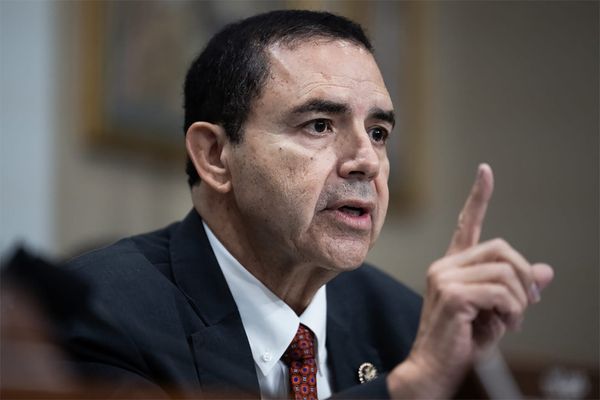
Rep. Cuellar requests body cam footage in U.S. citizen Alamo teens ICE arrest case
One teen alleges officers broke his wrist and deported his mother in retaliation. DHS disputes the account of the arrest, calling the pair "anti-ICE agitators" who obstructed officers.
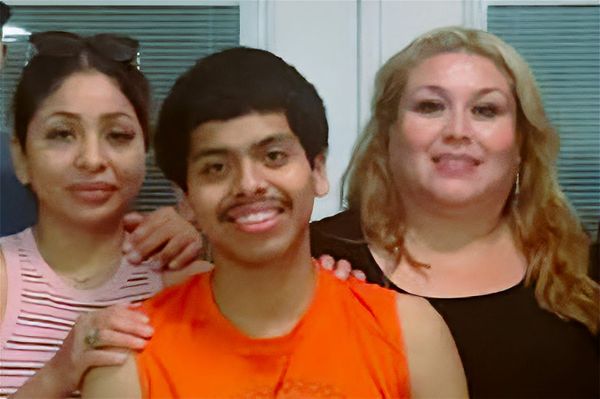
Alamo teen arrested on video says ICE detained his mother, and local advocate says she was deported
Luis Ochoa, whose arrest by ICE agents in Alamo was caught on video, says his mother was detained Monday after she spoke out online. An advocate says she has already been deported.
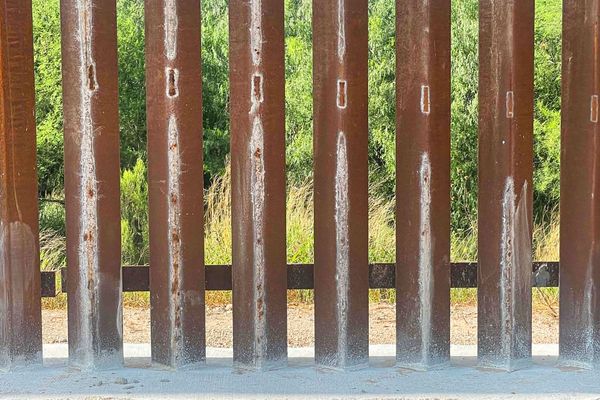
Environmental advocate says Santa Ana border wall steel dates to years when money was barred from the refuge
Rep. Henry Cuellar is seeking answers after an environmental advocate found that border wall panels installed at Santa Ana refuge carry 2020 fabrication dates, pointing to old funds Congress originally barred from the site.