Over 300,000 people in the Rio Grande Valley face losing SNAP in November
Democrats, including Rep. Henry Cuellar and Rep. Vicente Gonzalez, sent a letter to USDA Secretary Brooke Rollins calling for the use of emergency funds.

The U.S. Department of Agriculture posted a notice on its website Saturday confirming there will be “no benefits issued” in November for people who rely on the Supplemental Nutrition Assistance Program (SNAP) to help put food on their table. The interruption of payments is part of a larger shutdown that began in October when the Senate failed to agree on a resolution that would continue funding the federal government.
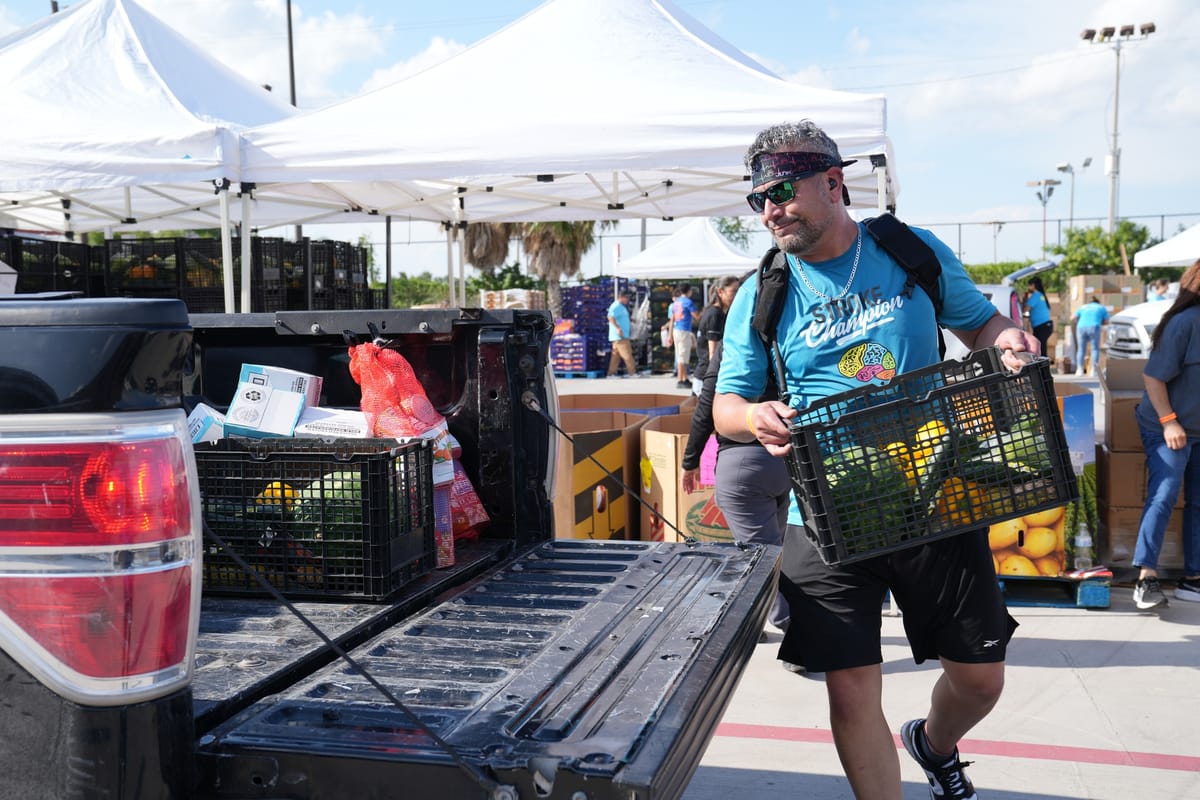
Any lapse in SNAP assistance would hit the Rio Grande Valley especially hard, with child food insecurity rates topping 31% in counties like Starr, according to data from Feeding America, a nationwide network of food banks. In September, more than 140,000 households across the region’s four counties were enrolled in the program, Texas Health and Human Services confirmed on Monday.
While Texas HHS does not publish how many of those approved actually received or used funds in a given time period, about 330,000 people make up the households approved for SNAP in the region.
“Families in the Rio Grande Valley will feel these cuts the most,” said Libby Saenz, CEO of the Food Bank of the Rio Grande Valley, speaking earlier this year about $187 billion in cuts to SNAP signed into law by Republicans in July.
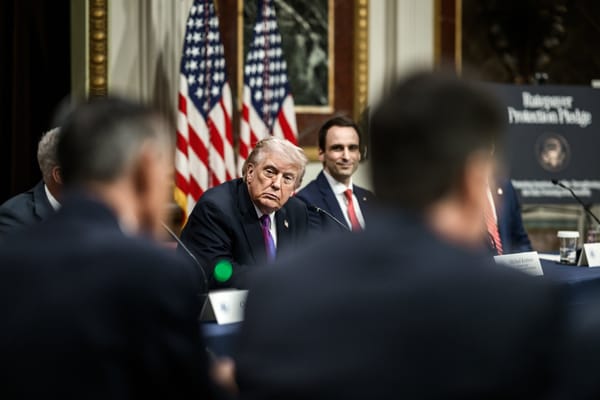
President Donald Trump’s signature legislation, the "One Big Beautiful Bill", will also let some Affordable Care Act tax credits expire at the end of this year and cut funding for both Medicare and Medicaid.
The cuts to health care in Trump's bill are why Senate Democrats are holding off on signing the Republican-led resolution to fund the government and end the shutdown, hoping to negotiate a rollback on cuts. More urgently, the expiration of tax credits under the ACA would not be phased in gradually through 2034 like the funding cuts. Instead, nearly 5 million people would become uninsured immediately in January.
But Senate Republicans continue to mount a public pressure campaign in an attempt to force Democrats to back what House Democratic leader Hakeem Jeffries called “the largest cuts to Medicaid and food assistance in the nation’s history.”
The Trump administration said “the well has run dry” for funding in the notice posted to the USDA website over the weekend. It added that Democrats “can continue to hold out for health care for illegal aliens and gender mutilation procedures,” echoing disinformation advanced by congressional Republicans across the media during the shutdown.
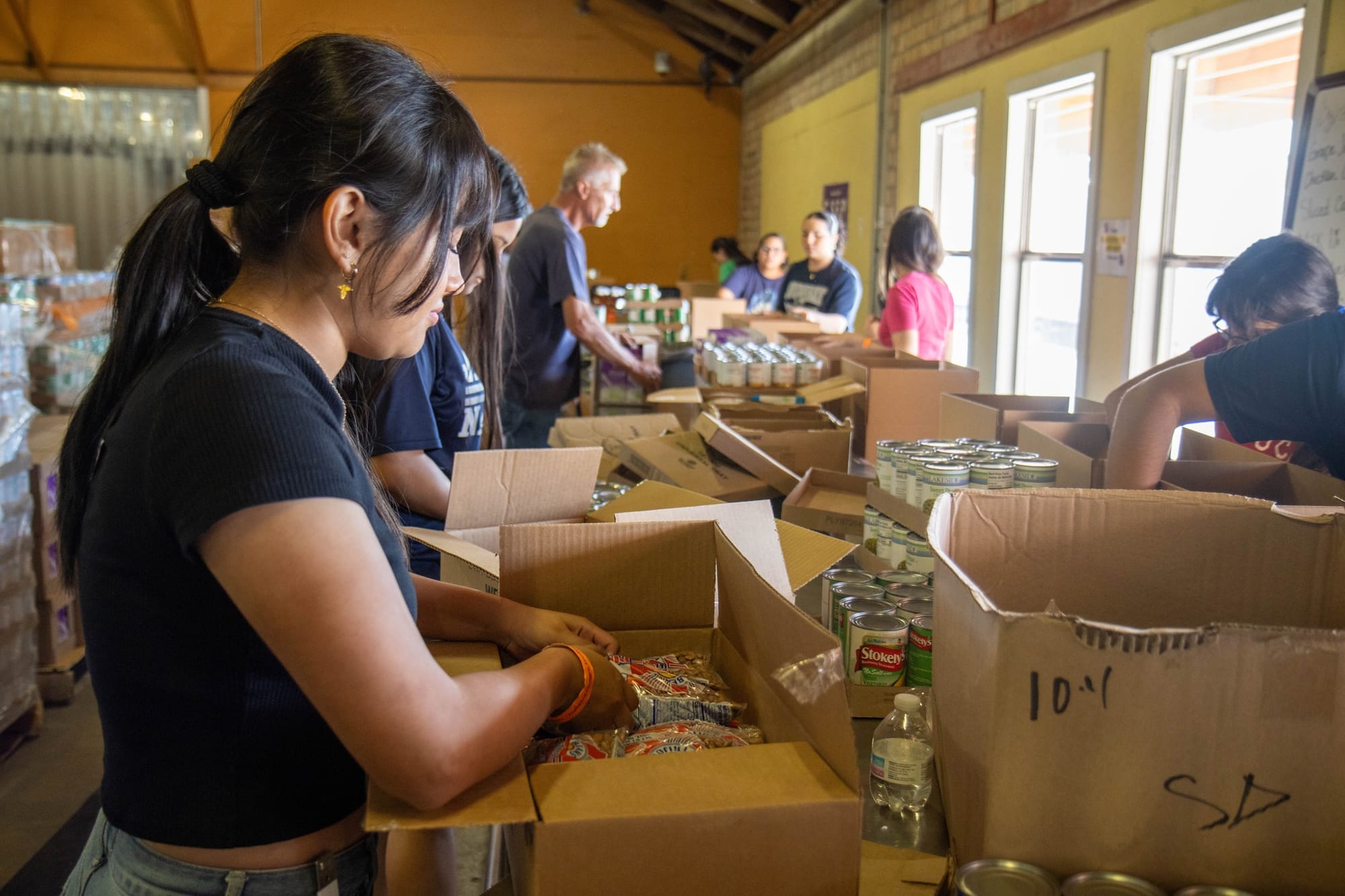
Saenz said she was worried about the region as affordable food is already limited in rural and underserved areas. The Center for American Progress found in a June analysis that food banks across the country “are not equipped to handle the hunger crisis” that would result from any cuts to SNAP.
Of those approved for SNAP in the Rio Grande Valley, more than 46,000 are children under the age of five and more than 124,000 are children between the ages of five and seventeen, according to Texas HHS.
Saenz also warned that any cuts could “dismantle local economies” and “destabilize households during hard times.” At least one business in Edinburg told KRGV-TV this month that 40% of its gross sales come from the electronic benefits transfer (EBT) cards used by SNAP recipients to pay for groceries.
Celia Cole, CEO of Feeding Texas, the state association of food banks, said in a public statement that food pantries are seeing new faces that never needed emergency food assistance before. “We’re doing everything we can to meet the moment, but food banks were already seeing increased need due to rising food costs," said Cole. "The shutdown adds another layer of strain to an already stretched system.”
Meanwhile, the Trump administration is refusing to use emergency funds set aside by the USDA to cover the gap in November with partial payments to enrollees. A memo circulated internally to states and members of Congress last week stated that emergency funds are "not legally available" to cover SNAP because they are reserved for responding to natural disasters.
However, the USDA published a plan earlier this year that directed the government to fund SNAP with emergency funding during a shutdown. That plan has since been deleted from the USDA’s website without notice, but is still available on internet archives.
More than 200 House Democrats, including Rep. Henry Cuellar and Rep. Vicente Gonzalez, sent a letter to USDA Secretary Brooke Rollins on Friday calling for the use of emergency funds to cover SNAP payments in November. “Congress has appropriated emergency funds for this exact situation," Cuellar said in a statement. "The money is there and we can use it right now.”
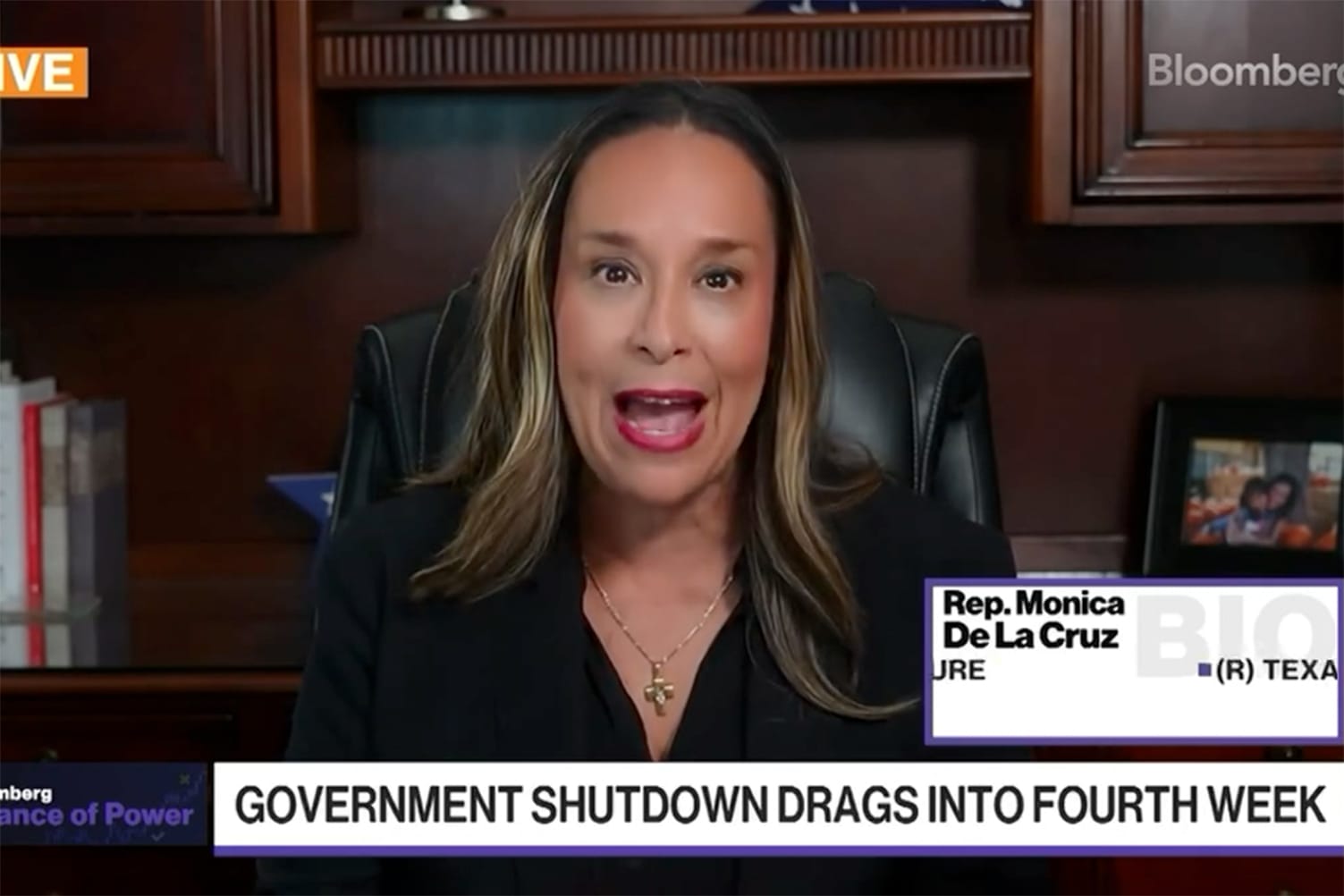
Republican Rep. Monica De La Cruz went live on Bloomberg, presumably from the Rio Grande Valley, to say Senate Democrats “are, quite frankly, playing games,” calling for Democrats to accept the long-term food assistance and health care cuts enacted by Republicans as a way to bring the shutdown to an end.
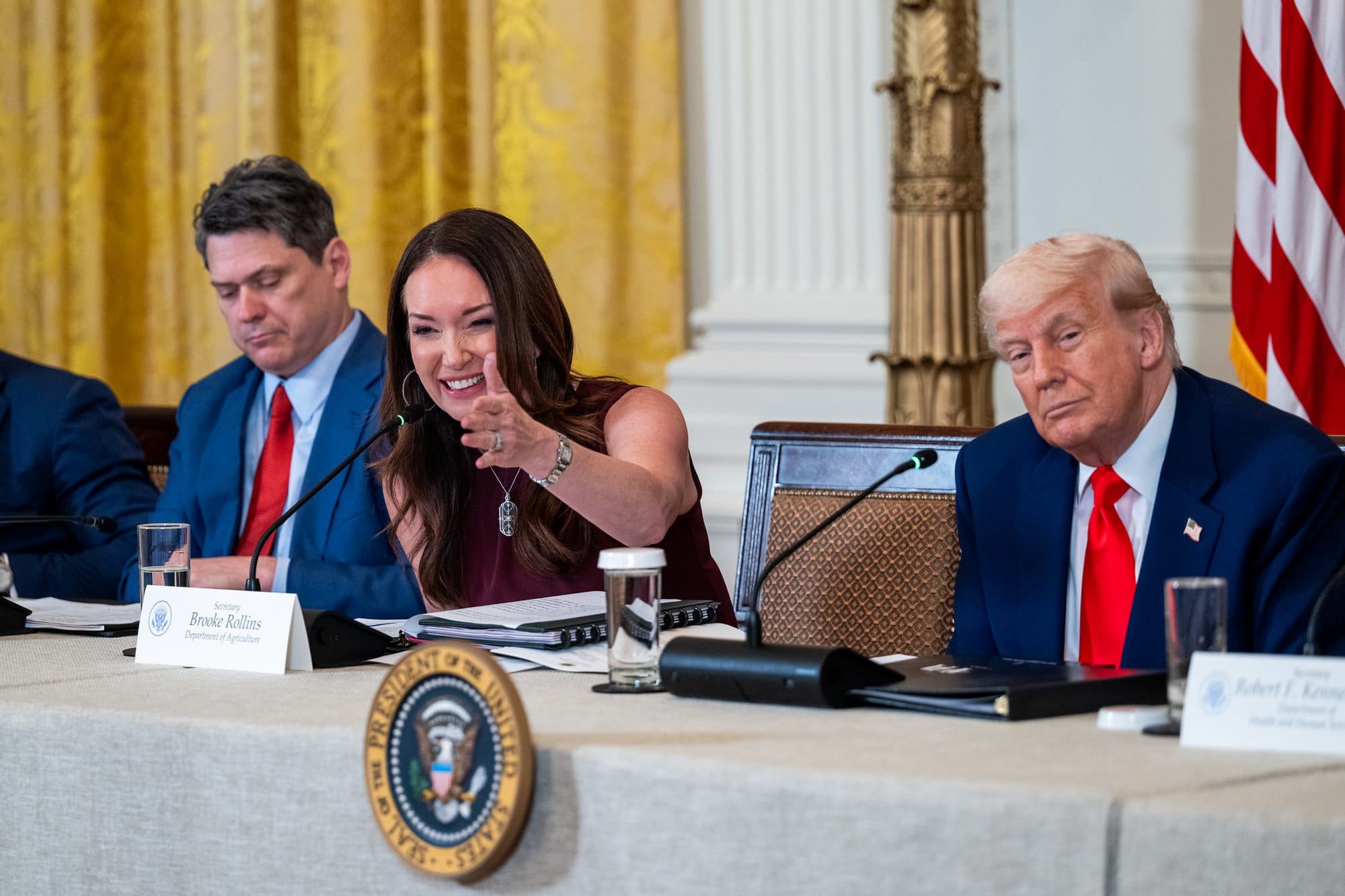
Democrats told Rollins that “USDA’s shutdown plan acknowledges that ‘Congressional intent is evident that SNAP’s operations should continue since the program has been provided with multi-year contingency funds.'"
An analysis by the Center on Budget and Policy Priorities found that the Trump administration’s claim that USDA emergency funds can not be used for SNAP “stands in opposition to the law and prior practice, including by the Trump Administration itself.”
Some SNAP recipients would still miss SNAP payments in November if emergency funding were applied today because the preparations required weeks ago were never put in place.
“While the contingency reserve will not cover November benefits in full, we urge USDA to use its statutory transfer authority or any other legal authority at its disposal to supplement these dollars and fully fund November benefits,” Democrats said in their letter to Rollins.
But on Monday, the Trump administration doubled down against using any emergency funding to cover SNAP. Republican Speaker Mike Johnson said during a news conference that he “got a summary of the whole legal analysis” behind the administration’s position and said “it certainly looks legitimate to me,” without providing further details. Johnson added that using the contingency funds, already set aside for emergency SNAP payouts, would "pull it away immediately from school meals and infant formula."
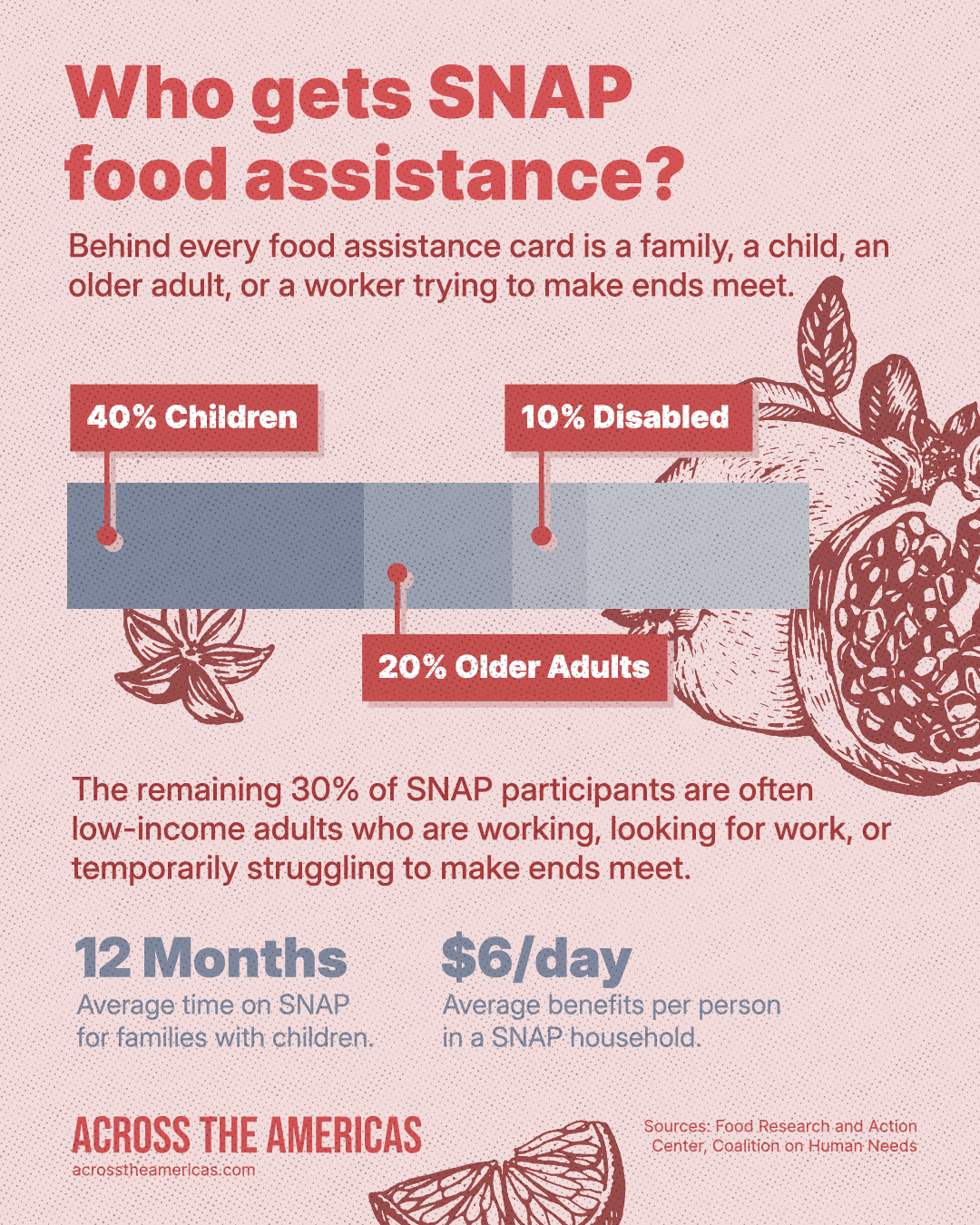
While 40% of those who receive SNAP are children, another 20% are older adults, and 10% are people with disabilities, according to statistics from the Food Research and Action Center, a D.C.-based nonpartisan advocacy group dedicated to eliminating hunger.
“The stakes become painfully clear,” Cole said. “These are our neighbors, our grandparents, our kids. A delay in benefits isn’t just inconvenient, it’s devastating. It means empty pantries, skipped meals, and added stress for families already living on the edge. Communities across Texas will feel the ripple effects, from our schools to our local economies. This is a moment that demands urgent action and compassion.”
The latest food security report by the USDA shows that Texas, generally more food secure than the Rio Grande Valley, has the second-highest rate of food insecurity in the country and the highest rate of any state for seniors, with one in five children experiencing food insecurity.
About Across the Americas

Across The Americas is the newsletter of independent journalism from the Rio Grande Valley, covering the Texas-Mexico region and the deep roots its people share across the continent.
Join four-time award-winning journalist Pablo De La Rosa as he reports on the global forces shaping these regional communities today.
Pablo's voice has appeared on NPR, MSNBC, Texas Public Radio, The Border Chronicle, The Texas Standard and Lighthouse Reports documentaries. In 2022, Pablo helped launch and host the first daily Spanish-language newscast in public media for Texas, broadcasting from the Rio Grande Valley for San Antonio’s NPR member station.