You're reading News Cuts
Our newswire of community notes and media headlines from around the web.
Your information is always private.
Life around Laguna Madre under Trump's crackdown
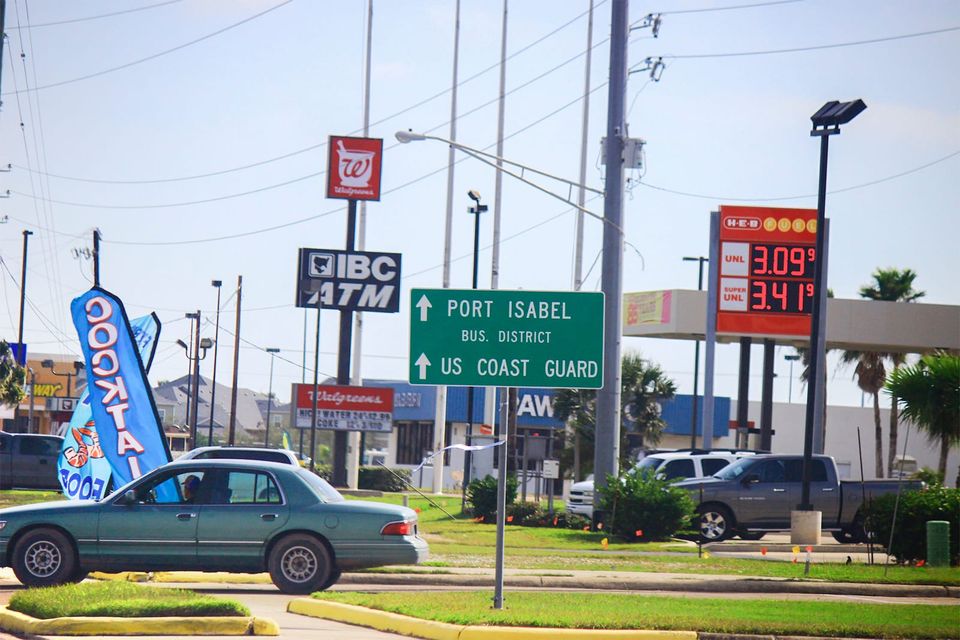
A new Texas Observer report by Gaige Davila analyzing social media posts, photos, videos and firsthand accounts shared by residents shows the extent of traffic stops and arrests carried out by U.S. Immigration and Customs Enforcement in towns surrounding the Laguna Madre.
The publication found the arrests, carried out daily along Highway 100 and the surrounding area, are turning towns like Port Isabel, Laguna Vista, Laguna Heights and others into what residents are describing as ghost towns amid an environment of fear and anxiety.

- The arrests are happening as the Trump administration pushes to raise ICE arrests nationwide to about 2,000 a day, roughly double the pace earlier this year. Officials briefed on the discussions told The New York Times that it was the White House that wanted the increase.
- ICE declined to answer the Observer's questions about how it selects people for arrest in the region, instead sending a list of four people the agency said were in the country illegally and had serious criminal convictions in Texas. But residents say most of those taken have lived in the area for years without criminal records.
ICE said its Harlingen field office, which covers the Laguna Madre region, set a Rio Grande Valley record with 238 arrests in a single day in June, part of a nationwide push that brought more than 46,000 arrests in July, about 3,000 more than the month before.
Places in this story
"We just come out when the sun sets."
Residents told the Observer they stopped registering their children for school and started shopping for groceries only after dark. Some now ask neighbors with U.S. citizenship to drive them where they need to go, describing towns that have emptied out since the arrests began in early July.
- Agents have been stopping vehicles in the early mornings and late afternoons, as people head to and from work. Some residents now leave nearly two hours early or work only after dark.
- Residents have built their own alert system, sharing photos and videos of ICE vehicles in group chats and on Facebook to warn neighbors before they leave home.
Brenda Dumas, who has lived in Port Isabel most of her life, told the Observer that her family now moves almost entirely at night, with her husband landscaping after sundown and relatives tracked through an app on her phone.
“It’s like we live in the shadows, when we just come out when the sun sets,” Dumas told the Observer. “I feel like we’re living like vampires now.”
Local leaders respond, hemmed in by the state
Few officials in the Rio Grande Valley have spoken out compared with places like Minneapolis and Chicago. César Cuauhtémoc García Hernández, an Ohio State law professor who studies the criminalization of migration and grew up in the Valley, told the Observer that the political climate in Austin sets the starting point for local officials' responses and the limits of their legal options.
“The Texas Legislature has been extremely proactive in the last 10 years or so in flexing the economic might of Texas, to help make the state as unwelcoming for migrants as possible,” Hernández told the Observer.
- Port Isabel Mayor Martin Cantu Jr. said he is troubled by the potential for immigration operations to violate the civil liberties of U.S. citizens and by an apparent lack of accountability among some officers.
- U.S. Rep. Vicente Gonzalez, D-Texas, said he will soon file legislation allowing small businesses to sponsor undocumented workers who have been in the country at least five years and have no criminal record, and that Congress has to do its part to rein ICE in.
Full story by Gaige Davila for The Texas Observer
There's many more details worth the read in the in-depth coverage by Davila. Check out the whole story below.
 Gaige Davila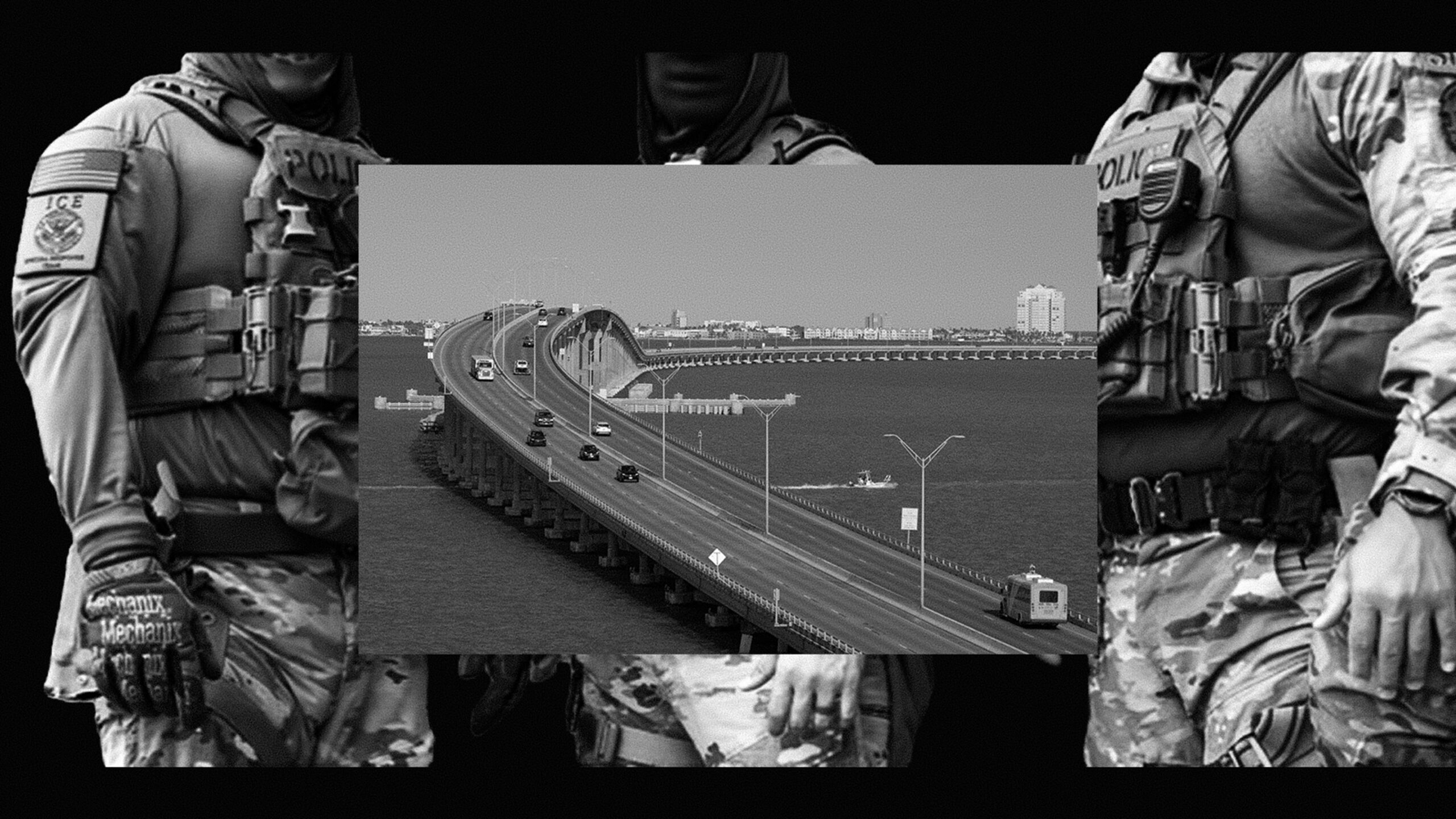
Related Coverage
Paola Ramos, a journalist and commentator who covers immigration and U.S. politics, posted on Instagram today that more than half of those arrested in the current ICE surge have no criminal record and that arrests are increasingly happening in everyday spaces like schools and churches.
Ramos cites the deportation of the wife of an active-duty Army surgeon based at Fort Bliss, the deportation of 5-year-old Liam Tadeo and his father, and the arrest of parents in Connecticut who were picked up by ICE while waiting for their children outside a school. All happening as an ICE agent who shot a Venezuelan immigrant has just been released from jail.
Watch below:
PBS News also gave a detailed update this week on the recent surge in ICE arrests, driven heavily by Texas and Florida amid expanded local cooperation agreements and 12,000 newly hired officers.
Read below:
 Rebecca Santana, Associated Press
Keep reading on ATA
 Pablo De La Rosa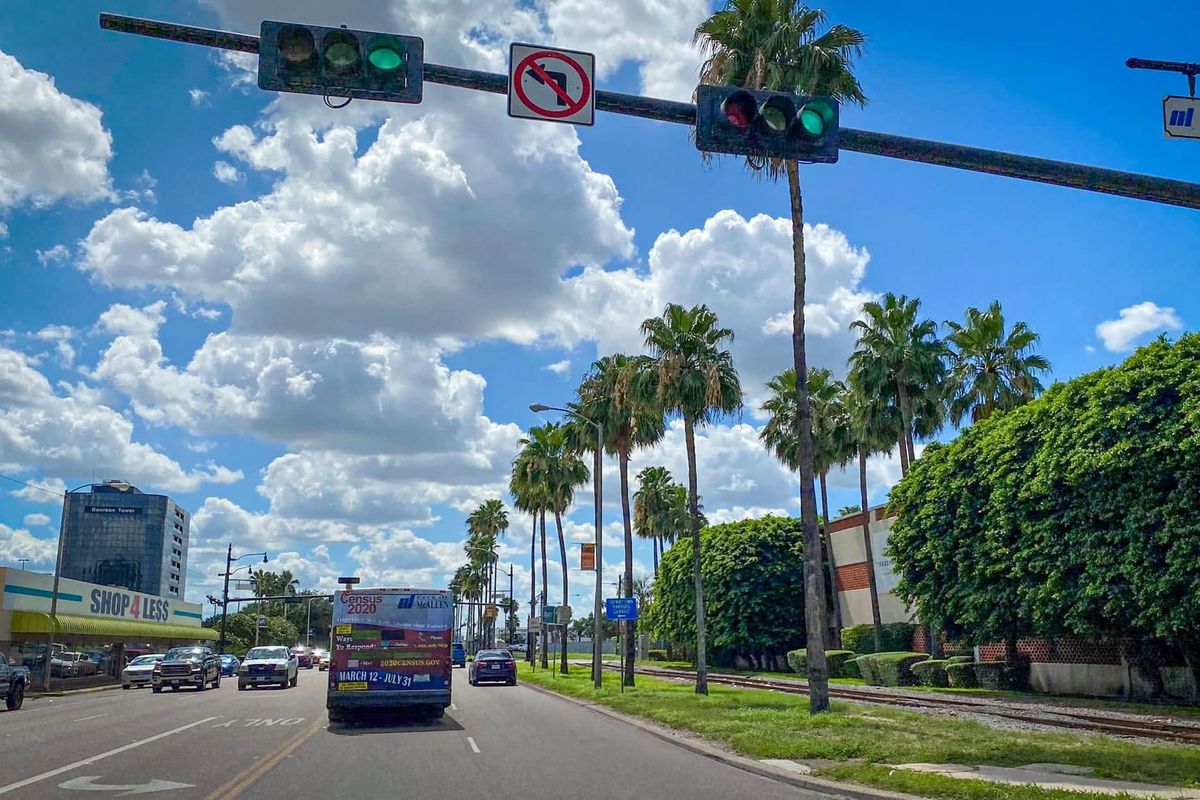
Keep Reading on ATA
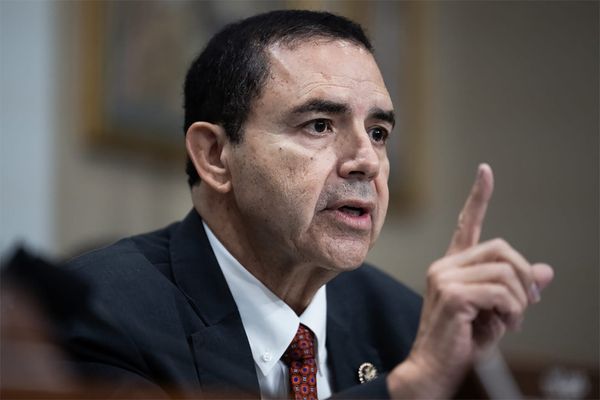
Rep. Cuellar requests body cam footage in U.S. citizen Alamo teens ICE arrest case
One teen alleges officers broke his wrist and deported his mother in retaliation. DHS disputes the account of the arrest, calling the pair "anti-ICE agitators" who obstructed officers.

Alamo teen arrested on video says ICE detained his mother, and local advocate says she was deported
Luis Ochoa, whose arrest by ICE agents in Alamo was caught on video, says his mother was detained Monday after she spoke out online. An advocate says she has already been deported.
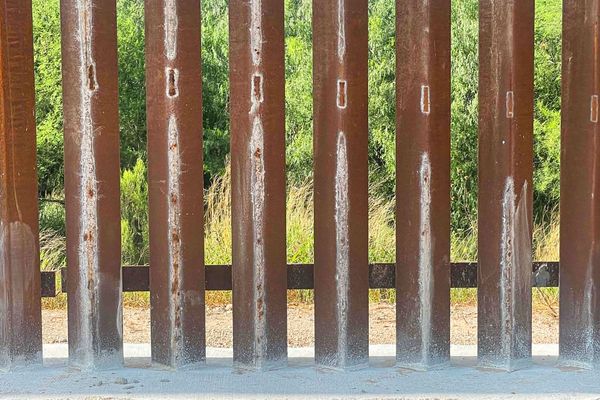
Environmental advocate says Santa Ana border wall steel dates to years when money was barred from the refuge
Rep. Henry Cuellar is seeking answers after an environmental advocate found that border wall panels installed at Santa Ana refuge carry 2020 fabrication dates, pointing to old funds Congress originally barred from the site.